
- Home
- >
- News
- >
- Product News
- >
- Decoding Sidewall Markings: What the Numbers and Letters Mean
Decoding Sidewall Markings: What the Numbers and Letters Mean
When you look at the sidewall of a car tire, you’ll typically see a code like 215/55ZR17 98W. This is not just a random combination of symbols—it’s the tire’s technical passport, revealing all its key parameters. Misunderstanding even one detail can lead to choosing the wrong tire. Let’s break it down:
215: Tire section width in millimeters.
55: Aspect ratio (the height of the tire’s cross-section as a percentage of its width).
17: Rim diameter in inches.
98: Load index.
W: Speed rating.
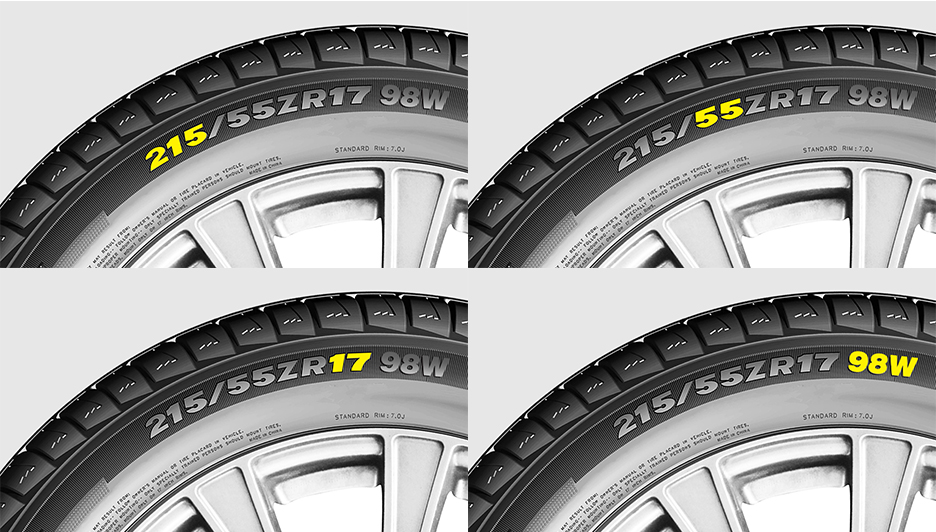
Common Pitfall: Ignoring the speed rating and load index. Using tires with a lower rating than the vehicle manufacturer recommends not only violates traffic regulations (such as the EAEU Technical Regulations) but also poses serious safety risks—tires may overheat at high speeds or fail to support the vehicle’s full weight. Always refer to the vehicle handbook or the label on the door frame for the original specifications.
Seasonal and Driving Style: How to Choose Between Summer, Winter, and All-Season Tires
The debate between specialized tires and "all-season" options never ends. Your choice should align with local climate and driving habits:
Summer Tires: Designed for dry and wet asphalt, with a rubber compound that remains elastic in positive temperatures, shortening braking distances. Tread patterns are generally shallower, focusing on water dispersion to prevent hydroplaning. However, below +7°C, the rubber hardens, and grip decreases sharply.
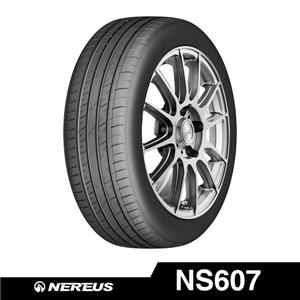
NEREUS TYRE Summer Models: NS317, NS607
Winter Tires: Feature a soft rubber compound that retains elasticity in freezing temperatures, along with aggressive tread patterns and fine sipes for enhanced grip on snow and ice. They come in two types:
Studded Tires: Ideal for persistent ice and packed snow.
Studless Tires (Friction Tires): A great compromise for city driving where roads are cleared but may still have black ice.
NEREUS TYRE Winter Models: NS805+, NS806, NS808
All-Season Tires: A balanced solution that performs adequately in mild temperatures, both above and below freezing. However, they are no match for dedicated summer tires in summer or winter tires in winter. Suitable for regions with mild winters and cool summers, but not recommended for harsh Russian winters. For example, in the Moscow suburbs, I strongly advise using separate summer and winter sets.
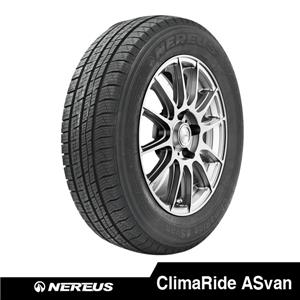
NEREUS TYRE All-Season Models: ClimaRide AS3, ClimaRide AS7, ClimaRide ASvan
Specifications and Aspect Ratio: Impact on Handling, Comfort, and Fuel Consumption
Within the manufacturer’s allowed range, adjusting tire specifications can alter your vehicle’s characteristics:
Wider Tires (e.g., 205 → 225): Increase the contact patch for better dry-road grip but also raise rolling resistance (slightly increasing fuel consumption), noise, and reduce performance in deep snow or mud (tires may "float").
Lower Aspect Ratio (e.g., 65 → 55): Improve steering precision and cornering stability but compromise comfort (more direct feedback from road imperfections) and make the sidewalls more vulnerable to damage from potholes.
Golden Rule: Never exceed the vehicle manufacturer’s recommended limits! Significant changes may cause issues with wheel arches, ABS, and stability control systems due to incorrect speed data.
Always replace tires in full sets per axle—mismatched tire heights or widths on the front and rear axles can lead to unpredictable handling, especially in emergencies.
Maintenance and Care: Tire Pressure, Rotation, Storage, and Replacement Timing
Tire Pressure: Check every 2–3 weeks on cold tires. Underinflation increases shoulder wear, impairs handling, and raises fuel consumption. Overinflation accelerates center tread wear and reduces ride comfort.
Tire Rotation: Perform every 8,000–10,000 km (the pattern depends on drivetrain and tread directionality).
Storage: Store tires without rims upright and rotate them periodically. Tires on rims can be stacked or hung. Keep them in a dry, cool, dark place away from heat sources and ozone (e.g., electric motors).
Replacement Timing: Besides tread depth, tires generally have a lifespan of 7–8 years (from the production date). Aging rubber develops fine cracks, compromising safety. According to Kommersant, around 20% of severe traffic accidents are linked to the use of old or overly worn tires.
Conclusion: Key Steps for Safe and Economical Choices
Choosing and using tires is a technical task critical to safety, not a matter of personal preference. Remember to:
Verify vehicle markings and manufacturer recommendations.
Choose specialized tires based on climate and driving style.
Check the production date when purchasing.
Maintain tires regularly (pressure, rotation, timely replacement).
Don’t blindly chase the lowest price—saving 20% could lead to far greater risks.
If you have questions about specific tire types for your vehicle, describe your model and driving conditions in the comments. Share this article to promote road safety awareness.
To explore tire options for various vehicles, visit our official website: www.ditriptyre.com.
| Phone : | +86-532-85861980 |
|---|---|
| Fax : | +86-532-85861980 |
| Email : | info@ditriptyre.com |