
- Home
- >
- News
- >
- Product News
- >
- How do High-Performance All-Season Tires Handle Britain’s Unpredictable Rain and Occasional Snow?
How do High-Performance All-Season Tires Handle Britain’s Unpredictable Rain and Occasional Snow?
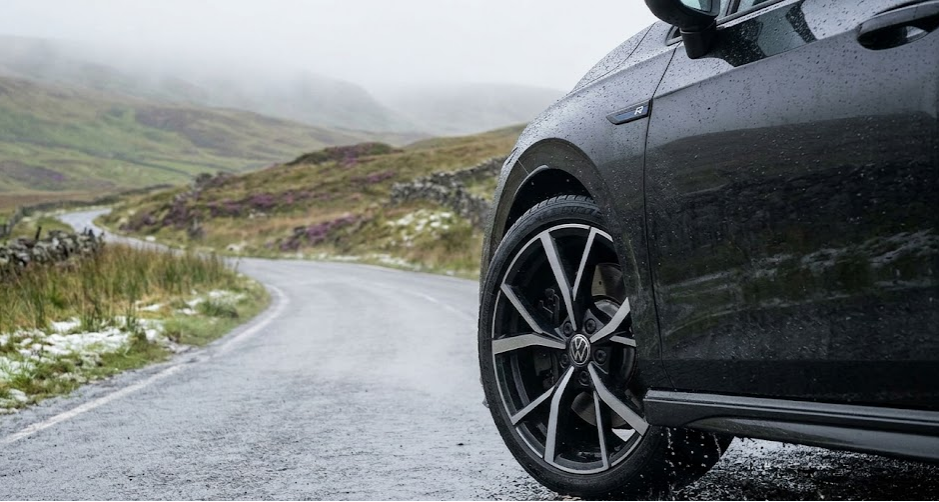
img.How do High-Performance All-Season Tires Handle Britain’s Unpredictable Rain and Occasional Snow.jpg
Driving in the United Kingdom brings distinct challenges. These can change quickly in one afternoon. A sunny morning might turn into heavy rain. Then, temperatures could drop fast, causing frost or light slush. For years, people advised switching between summer and winter sets. But new engineering offers a better way. High-performance all-season tires let drivers maintain safety and control all year. They avoid the hassle of storing seasonal tires. This change comes from better rubber mixes and tread designs. These fit the wet weather of Northern Europe.
Why are high-performance all-season tires the ideal choice for the UK climate?
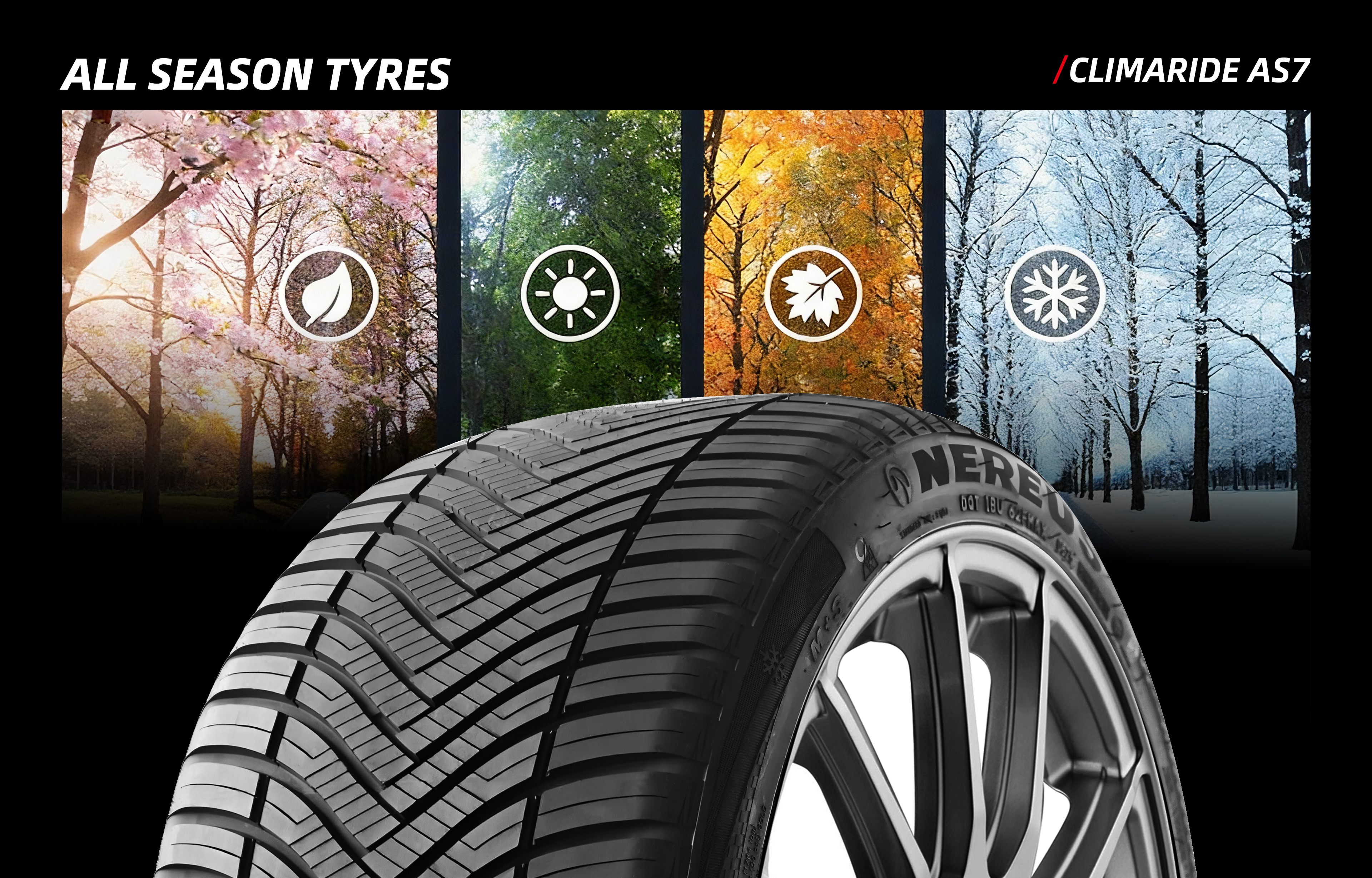
The UK weather seldom sees the harsh cold like in Scandinavia. It also skips the hot summers of Southern Europe. British roads often have mild conditions. Temperatures stay between 2°C and 15°C much of the time. Regular summer tires stiffen below 7°C. They lose traction then. Winter tires get too soft in warm weather. This leads to quick wear. High performance all season car tyres fix this issue. They use a balanced silica-based mix.
img.all season car tyres.jpg
This material stays pliable in chilly frost. It helps with quick stops on icy starts to the day. At the same time, the inner build adds strength. This stops tread parts from shifting on warm highway drives. For business users or daily travelers, the perks exceed simple ease. It means a tire is always prepared for the next storm. By picking great all season tyres, your car gets a flexible option. It handles the slick, wet paths common on British side roads.
How great are all-season tires at managing heavy rain and aquaplaning?
Rain poses the biggest risk on UK streets. Puddles can lead to aquaplaning. There, water forms a barrier between the tire and the road. This results in no steering response. Great all-season tires have smart tread shapes. They include V-patterns or wide side grooves. These work like channels to push water from the tire’s touch area.
Also, grip on damp pavement improves with dense siping. These small cuts in the tread make many sharp edges. They cut through the water layer. So, even in a sudden downpour on a crowded highway, the car stays steady. Many top models earn an ‘A’ score for wet hold in the UK tire label system. This shows year-round tires don’t mean giving up on rain performance.
Technical Specification | High Performance All Season Tires | Great All Season Tires (Standard) | Budget All Season Tires |
Rubber Compound | High-Silica Hybrid | Standard Silica Blend | Basic All-Weather Resin |
Sipe Density | Ultra-High (3D Sipes) | High | Moderate |
Wet Grip Rating (EU/UK) | A | B | C |
Speed Rating | V / W / Y (up to 300 km/h (186 mph)) | H / V ( up to 210km/h(149mph)) | T / H (up to 190km/h(130mph)) |
Cold Weather Certification | 3PMSF & M+S | 3PMSF & M+S | M+S (Often lacks 3PMSF) |
What happens when the occasional snow hits British roads
Heavy snow is uncommon in most UK areas. Yet, a light cover of slush can slow traffic a lot. High performance all season tires show the “Three-Peak Mountain Snowflake” (3PMSF) mark. This means they passed tests for holding in snow. Unlike cheap all season tires with just deeper treads, top ones use smart siping methods.
These sipes spread as the tire moves. They grab into the snow and build drag that smooth summer tires lack. This helps on steep home streets or country paths in a quick freeze. It gives drivers calm assurance. You can get home without a special winter car. For fleet managers or routine drivers, this extra hold means keeping to plans instead of delays.
How do budget all-season tires compare in terms of value and safety?
Drivers with tight budgets find high performance tyres a good start for full-year use. They lack the advanced tiny silica in elite versions. Still, they beat using summer tires in UK winters. But know the downsides of lasting power and rain handling.
Cheaper types often have stiffer mixes for more miles. This might add a bit to stop times on cold, soaked roads versus high performance all season tires. Even so, they suit city folks on main cleared paths at modest speeds. In our test spots, we check all levels for balance and speed strength. This quality focus lets cost-conscious users keep core safety without high costs.
What technical specifications should you check before buying
Picking the best tire means reviewing your own driving style. For lots of highway trips, focus on speed level and sound. In areas with hills and pools of water, check wet hold and water-slide resistance first.
Main things to look at include:
· Temperature Range Stability: Make sure the tire works in a broad temperature range. This avoids splits in warmth or stiffening in cold.
· Tread Depth and Siping: Seek deep, angled cuts that hold up as the tire thins.
· Casing Integrity: A solid inner layer stops bending under weight. This matters for SUVs and vans.
· Manufacturer Expertise: Going with a name like NEREUS means getting tires made for the UK’s special weather.
Our past records show wins with summer-mix tires for UK buyers. They balance low drag with safety needs in wet seas. Such tailoring makes the tire fit your area, not just a basic choice.
Conclusion
Handling the UK’s changing weather needs gear as flexible as the skies. High performance all season tires offer top flexibility. They mix strong rain control, cold safety, and warm steadiness. Budget all season tires give a cheap fix for town driving. But great all season tires add more protection in tough spots. By eyeing specs like 3PMSF mark and silica mixes, drivers gain smooth years of driving. A maker focused on study and checks brings better safety and lower long-term cost.
FAQ
Q: Are high-performance all-season tires legal for winter use in Europe?
Yes. If the tires have the 3PMSF (Three-Peak Mountain Snowflake) mark on the side, they follow the rules for winter tires. This applies in places with required seasonal changes, like the UK and much of the EU.
Q: Do budget all season tires wear out faster than premium ones?
No, not always. Certain budget models use harder mixes that go longer. Yet, they might give a weaker hold in bad rain or chill than high-performance all-season tires, which stress safety and control.
Q: How do great all season tires affect fuel economy?
New all-season tires aim for low roll drag. They may not match a pure green-summer tire exactly. The gap stays small, though. Plus, they save more fuel than keeping winter tires in summer heat.
Q: Can I fit all-season tires to just the front wheels of my car?
No, experts advise using the same type on all four wheels. Blending all-seasons with summer ones can create risky grip differences. This happens most in sudden stops or turns on wet or frozen paths.
Q: Are high-performance all-season tires noisier than summer tires?
They might make a touch more road sound from extra cuts and paths. But brands like NEREUS arrange tread parts to cut noise waves. This keeps them almost as hushed as regular road tires.
For more on our new all-season lines or local sellers, reach out to the NEREUS support group.
| Phone : | +86-532-85861980 |
|---|---|
| Fax : | +86-532-85861980 |
| Email : | info@ditriptyre.com |