
- Home
- >
- News
- >
- Product News
- >
- How to Choose Tires for Desert Driving: A Product Selection Logic That Shifts from "Selling Tread Patterns" to "Selling Use Cases"
How to Choose Tires for Desert Driving: A Product Selection Logic That Shifts from "Selling Tread Patterns" to "Selling Use Cases"
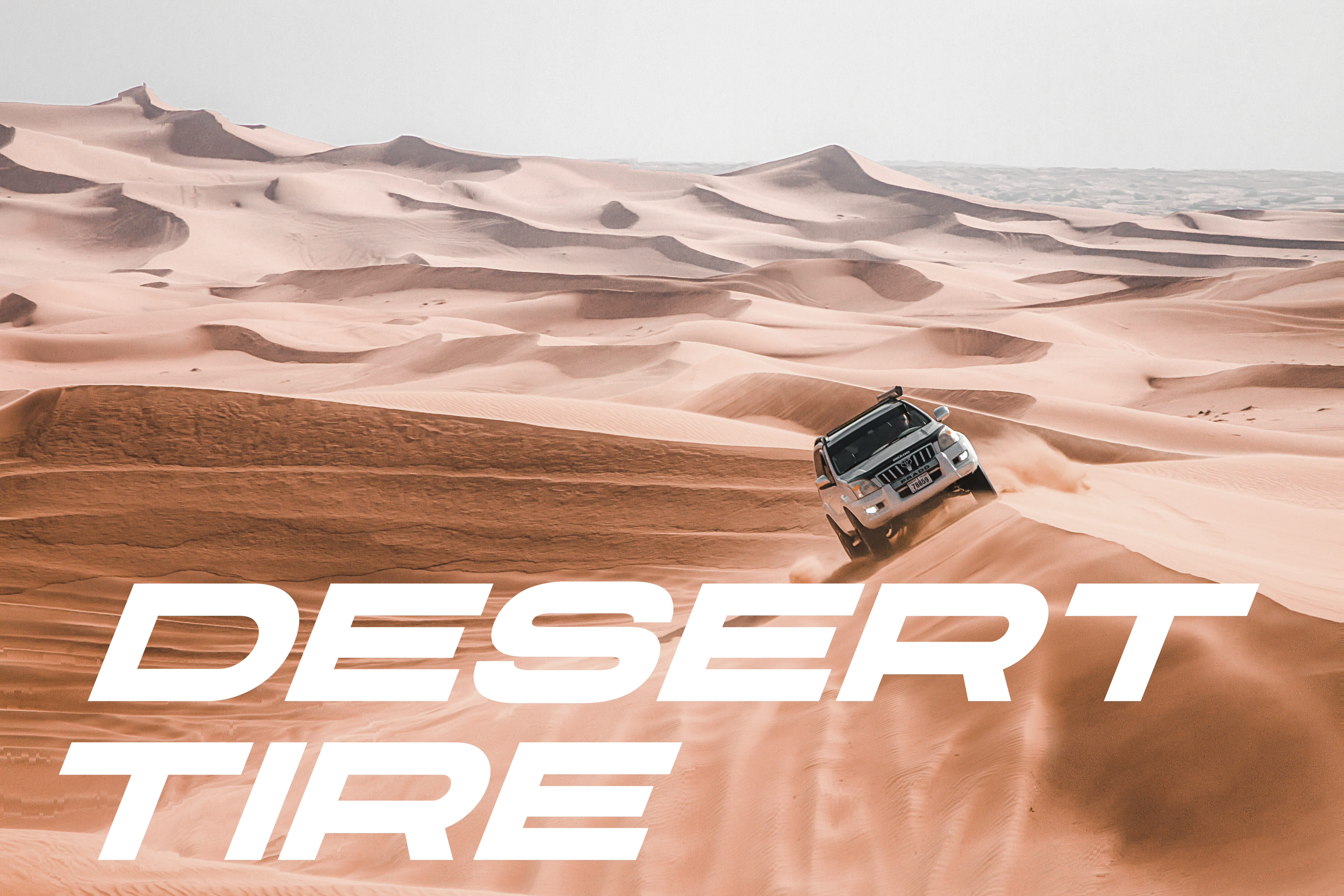
A desert tire earns its place in a distributor's inventory for a very specific reason — it helps drivers get safely across soft sand. But that same tire also has to handle the other sections of the journey. When wholesalers and distributors in the Middle East select products, they should first define the application scenario clearly. Only then does a desert-specific product line have a clear selling point, and its value won't stop at the level of "an off-road tire that looks rugged."
The Route Determines the Selection, Not the Tread Pattern
A good recommendation starts with understanding what roads the customer actually drives. Some drivers spend most of their working hours on steep dunes — their needs are completely different from those of a customer who does occasional weekend desert trips and spends long hours on highways the rest of the time. When evaluating sand tires, separate these two scenarios first, then move on to specific product recommendations.
What distributors need to do is straightforward: tie the final selected tire directly to the customer's daily needs. Ask clearly about the areas the vehicle typically drives, how often it enters soft sand, and what proportion of the daily route is paved road. These few questions ground the sales conversation and keep it from turning into a recitation of specifications.
Every desert tire in the product line should have a clear positioning. Recommend based on terrain and driving requirements, then confirm whether it matches the customer's vehicle. Don't lump all off-road tires together as "equally suitable for deep desert" — customers have heard that line too many times, and it won't convert into orders.
"Flotation" and Handling on Soft Sand
Flotation is the core of the discussion. It refers to the tire's ability to support a heavy vehicle on soft ground and prevent it from sinking. Internal tire pressure directly determines the size of the contact patch, so you can't judge whether a tire suits sand just by looking at the tread pattern. When recommending tires for dune scenarios, focus on "stable handling" — what drivers want is to move steadily across extremely soft, easily collapsing ground.
The tire must be considered in combination with its daily operating conditions. Lowering tire pressure changes the contact patch, but there is no "perfect" pressure setting that works for all vehicles and all trips. When adjusting, follow the official guidance from the vehicle manufacturer and tire maker; if in doubt, consult someone who truly understands the local operating environment.
Handling depends on more than grip. Smooth driving is critical — if the wheels spin excessively, a heavy vehicle will quickly sink deeper into the sand. Steering response also changes noticeably on soft ground, so don't treat abrupt steering or maneuvers as a reliable basis for judging tire performance. A trustworthy salesperson will clearly explain the tire's performance limits, acknowledging shortcomings alongside the advantages.
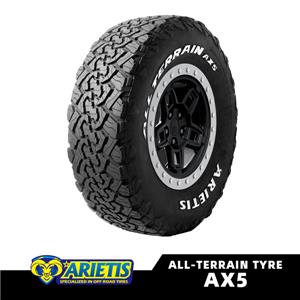
Focusing on off-road performance provides more valuable product context for sales conversations. ARIETIS is our flagship brand focused on off-road tires. To choose a tire genuinely suited to desert environments, you need to further define the specific sand scenario — the broad category of "off-road tire" itself doesn't reflect a particular tire's actual performance.
The Highway Leg Is Also Half the Purchase Decision
The highway journey to and from the desert must be included in the purchase consideration. Customers often ask for tires "suitable for both sand and highway," but these two environments place completely different demands on tires. A professional distributor will carefully understand the customer's highway driving proportion and confirm that the selected tire can genuinely handle paved roads.
Tire temperature and pressure settings are directly related to this. Sustained high heat can easily damage rubber tires; underinflation during normal highway driving poses serious safety hazards. Highway tire pressure must strictly follow the vehicle manufacturer's official recommendations. The temporary pressure adjustment made for sand driving must never become the default setting for the return highway trip.
These basic route profiles are effective conversation entry points, not strict performance grading standards. You can use them to explain to customers why the same recommended product may not suit every customer. A concise route description is highly valuable — far more informative than a customer's vague request for "the toughest-looking off-road tire."
Precise Product Solutions for Middle East Distributors
A well-developed desert tire product line enables the sales team to provide solutions more clearly targeted at customer needs. When buyers are looking for 4WD desert tires, focus the conversation on core scenarios: daily desert driving needs, vehicle handling, and regular highway trips. This is far more solid than the vague promise that "provides perfect grip on any surface."
A brief and effective customer conversation covers three key points:
The specific surface types encountered on daily routes.
The frequency and total duration of actual driving in the desert.
The paved-road driving needs before and after entering the desert.
Collecting these application details also greatly benefits your cooperation with tire suppliers. Our independent R&D and design team fully considers customers' daily usage needs when developing new products. If distributors want to build dedicated product solutions for desert scenarios, the communication focus should always stay tightly on "end use." Before making a final recommendation to the buyer, be sure to confirm that the product truly fits their use case.
Clear Scenarios Make Solutions Competitive
The ideal desert tire recommendation combines several key factors organically — directly linking the tire's flotation (support) on sand and predictable handling performance to the customer's complete driving route. Middle East distributors can build clearer, more targeted product solutions by clarifying driving priorities and verifying specific application scenarios. Ultimately, you deliver a recommendation that is both professional and easy to understand, helping customers establish realistic expectations about the environments and ways the tire will be used.
If you have any special requirements, feel free to contact us at any time. You can introduce the local market situation and share details about how customers use their vehicles in the desert day to day; then we can discuss specific inventory needs together.
FAQ
What matters most when choosing a desert tire?
The core is clarifying the daily driving route. Comprehensively consider the vehicle's driving needs on soft sand, handling characteristics, and highway driving conditions. Before recommending a tire to a customer as a "complete desert driving solution," be sure to confirm that it fully suits the specific vehicle model and actual use scenario.
Are all off-road tires suitable for sand?
The broad label of "off-road tire" does not prove sand suitability. Different driving scenarios place completely different demands on tires. Be sure to confirm the terrain environment the customer actually drives in; don't judge based solely on whether the appearance looks "hardcore" or on broad product categories.
Can desert-specific tires be used on the highway?
The highway suitability of every tire must be carefully confirmed. When selecting, include the paved-road sections of the daily route in your consideration, and follow the vehicle's official guidance to ensure correct highway tire pressure settings. Never maintain the low tire pressure used for sand driving while driving on the highway.
Is lower tire pressure always better for sand performance?
Lowering tire pressure does significantly increase the contact patch, but lower is not always better. The most suitable pressure depends on the specific vehicle model, the selected tire, and actual usage conditions. Refer to guidance recommendations for specific application scenarios, and don't apply a single "universal" pressure value to all customers.
| Phone : | +86-532-85861980 |
|---|---|
| Fax : | +86-532-85861980 |
| Email : | info@ditriptyre.com |