
- Home
- >
- News
- >
- Product News
- >
- Key Factors to Consider Before Investing in New Truck Tires for Your Fleet
Key Factors to Consider Before Investing in New Truck Tires for Your Fleet

Picking suitable gear for a business fleet means weighing safety against long-term financial considerations.Tires rank as the next biggest cost after fuel. They demand a smart buying plan. Your vehicles may travel easy highways or tough, built-up areas. Thus, opting for high performance tyres, aggressive truck tires, or usual designs affects your expense per mile and truck availability. This overview covers vital practical and planning points. Fleet leaders need these when buying new truck tires.
Why choosing the right tire pattern is critical for your fleet’s ROI
A logistics business’s Return on Investment (ROI) links directly to how tires perform. A tire goes beyond simple rubber. It serves as a clever gear built to manage certain pressures. Fleets in varied spots, like mining or wood hauling, must use aggressive truck tires. These have unique tread styles, often called Rough-Terrain (RT). Such patterns provide a firm hold to prevent slips and side wall damage.
When your fleet buys new truck tires, the main aim remains lowering the “Total Cost of Ownership.” That covers several areas.
Fuel Savings: Pick low rolling resistance styles for far trips.
Strength: Use tough shells that support several retread uses.
Less Stop Time: Select top brands like NEREUS. They follow strict checks to avoid breakdowns during runs.
Safety Rules: Make sure all meet DOT and ECE standards. This avoids legal risks and insurance troubles.
What are the main differences between classic truck tires and modern innovations?
In tire making, classic truck tires mean the reliable rib and lug styles. These have led to highway hauling for years. People value them for steady handling and even wear. Yet, fresh tech brings big gains in rubber mixes and frame toughness.
Classic truck tires hold firm for normal shipping. However, new truck tires now use special chemical blends. These boost heat release. Too much heat harms tire life, mainly in hard jobs. Current advances create “cooler” mixes. They keep their shape under full weight and warm air. Plus, aggressive truck tires help fleets needing rough path skills without losing much road ease.
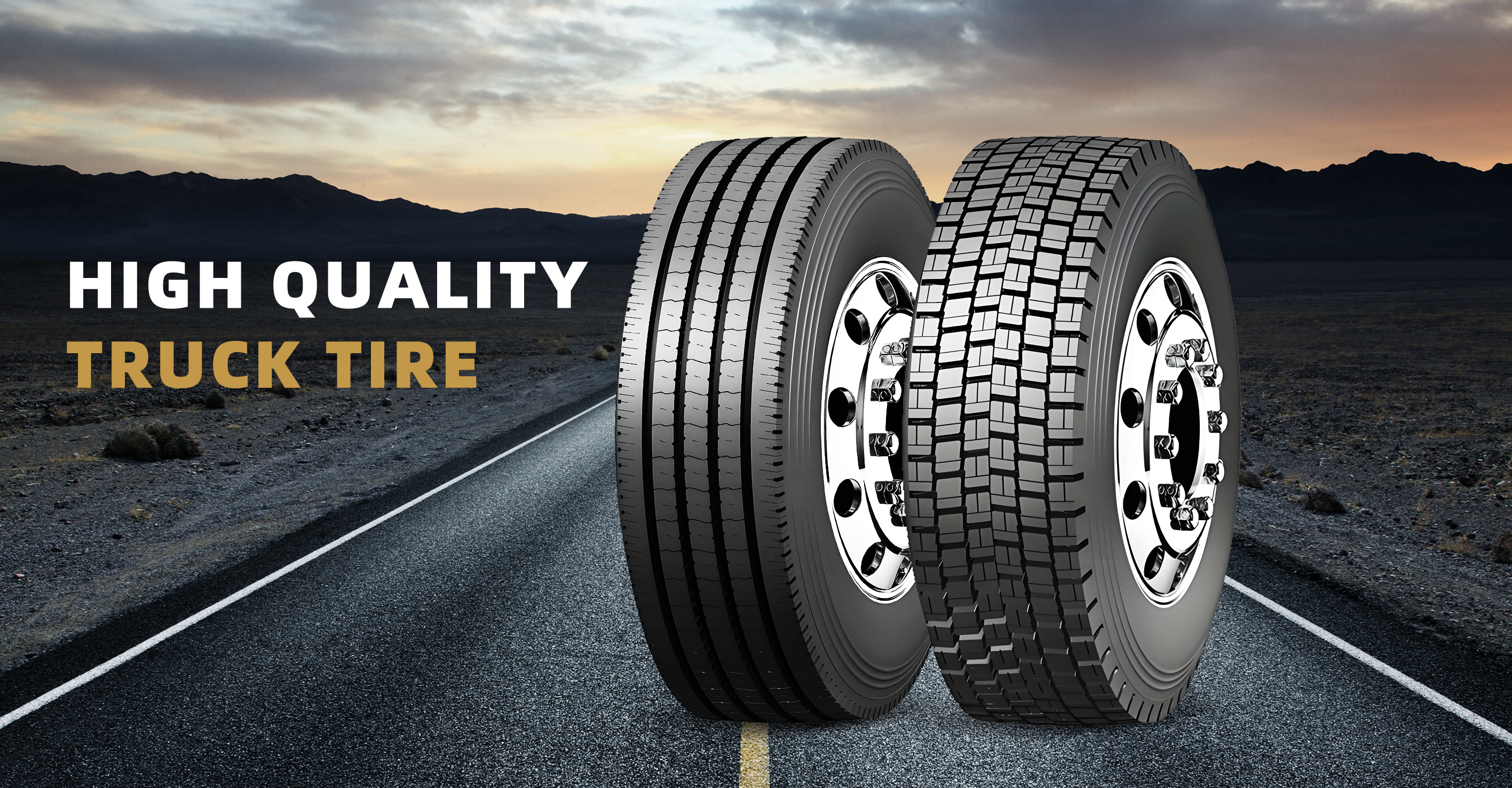
| Feature | Classic Truck Tires | Aggressive Truck Tires | Modern Fuel-Efficient Tires |
| Primary Application | Long-distance Highway | Off-road / Construction | Regional & Urban Delivery |
| Tread Design | Five-rib Linear | Deep Block | Optimized Nano-silica |
| Traction Level | Standard | Maximum / High Grip | Enhanced Wet Grip |
| Rolling Resistance | Moderate | High | Ultra-low |
| Retreadability | High | Moderate | High |
How to evaluate the technical specifications of new truck tires
Checking tech details of truck tyres goes past the cost. Fleet heads need to review load index, speed level, and ply strength. Ensure the tire fits the truck’s work pattern. For example, a city delivery tire uses a different mix than one for border trips.
Main tech points to check include these.
Mix Formula: Seek special gums that boost cut and chip defense. This matters for aggressive truck tires on stony paths.
Shell Build: A strong steel belt setup supports heavy weights. It also aids later retreads.
Water Handling: Top makers keep moisture in natural rubber and wood frame parts at 6% to 8%. This stops inside rust and shape changes.
Exact Building: New truck tires gain from computer-led mold work. This ensures even balance and cuts shake at fast speeds.
When should you pivot to aggressive truck tires for challenging terrains?
Switching from regular road tires to aggressive truck tires depends on the tough end parts of your path. If trucks often hit dirt roads, mud, or sharp gravel hills, a basic rib tire wears out fast. It fails from “stone drilling” or poor hold.
Aggressive truck tires, like the NEREUS line, have a big open space in the treads. This lets them clear mud and rocks on their own. They keep steady ground touch. Though they roll harder on smooth roads, the gains from fewer tows and no bursts off-path beat the small fuel rise.
How professional manufacturers support your fleet’s growth
Working with a skilled maker or sales group like NEREUS Tyre gives more than goods. It offers chain benefits. Trust in business-to-business deals comes from clear and steady service.
Pro help covers these points.
Tech Review: A skilled team checks work stats. They fix problems via video or photo review. This aims for no complaints on quality.
Make Plans: Match your buys to fixed dates, like the 20th monthly. This keeps your new truck tire stock right.
Area-Tailored Changes: Use real cases, such as van tires for bumpy Haitian paths or solid winter tires for Nordic EV groups. This fits your local land.
Ship Smarts: Handle full container loads (FCL) to cut send costs. Lead time runs about 25 days from make to load.
Conclusion
Buying new truck tires involves many sides. It needs a grasp of path types, weight needs, and tech shifts. Fleet leaders can boost workflow by mixing classic truck tires’ trust with aggressive truck tires’ strong pull. In the end, pick a partner focused on quality checks and study-based builds. This makes each mile add to business gains. For tough and fresh options, NEREUS provides full choices to keep world fleets safe and smooth.
FAQ
Q: How often should I replace new truck tires in a commercial fleet?
A: Swap times vary by use, weight, and care. Long-run tires often last 100,000 to 150,000 miles. Then they need retreads or new ones. Steady wheel checks and air levels can stretch this time a lot.
Q: Can aggressive truck tires be used for long-distance highway hauling?
A: You can use them, but it’s not the best for straight road fleets. These tires suit soft ground pull. On main roads, they make extra sound and roll harder. That raises fuel use over classic truck tires.
Q: What is the most important certification for new truck tires?
A: For world trade, tires need local rules like DOT (USA), ECE/REACH (Europe), and CCC (China). Such marks show they passed hard safety, speed, and lasting tests.
Q: Why do new truck tires sometimes fail prematurely despite good tread depth?
A: Early breaks often stem from inside heat rise or wrong air fill. If the core weakens from too much load or fast driving on low-air tires, the frame gives out. This happens even with fresh-looking tread.
Q: Are classic truck tires still a viable option for modern fleets?
A: Sure, rib-style classic truck tires work well for front wheels and far trailers on smooth paths. They give the top steady turn and the least fuel for even road speeds.
| Phone : | +86-532-85861980 |
|---|---|
| Fax : | +86-532-85861980 |
| Email : | info@ditriptyre.com |