
- Home
- >
- News
- >
- Product News
- >
- MT SUV Tires: A Complete Guide for Enthusiasts
MT SUV Tires: A Complete Guide for Enthusiasts
Ready to tackle off-road conditions? We'll delve into SUV off-road tires, including mud terrain tyres, rough terrain tyres, and off road truck tyres, analyzing when you truly need them and when it's a waste of money. Based on real-world off-road experience, we'll teach you how to choose, use, and maximize the performance of mud tires, with insights into popular models like the NEREUS NS501.
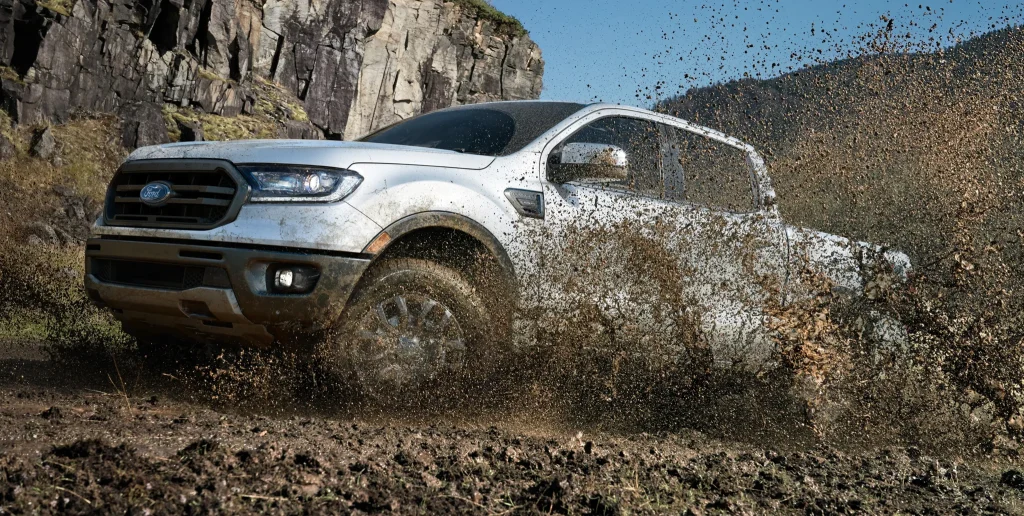
What exactly does the M/T marking on the tire sidewall mean?
"M/T" is an abbreviation for "Mud Terrain." This isn't a marketing gimmick, but a clear classification of tires specifically designed for challenging off-road conditions—distinct from rough terrain tyres that focus more on rocky and uneven surfaces, and off road truck tyres built for heavy-duty loads. Think of mud terrain tyres as tools for mountaineers, not general-purpose hammers, and models like the NEREUS NS501 exemplify this specialized design.
The primary function of MT tires (a core type of mud terrain tyres) is self-cleaning. Their rugged tread pattern, with high, dispersed blocks and wide grooves—similar to the design of the NEREUS NS501—effectively expels mud, silt, and snowmelt during rotation. However, on asphalt, the same tread pattern performs drastically—it generates noise, increases fuel consumption, and typically has a shorter lifespan compared to all-terrain (AT) tires. This trade-off is common across most mud terrain tyres and off road truck tyres, as their design prioritizes off-road capability over on-road comfort.
People are often confused: some think MT tires are just "cool AT tires." But in reality, there's a fundamental difference. AT tires are a compromise, catering to 70% on-road driving and 30% off-road driving. Mountain tires (MT), a key category of mud terrain tyres, are suitable for 90% off-road conditions and 10% on-road conditions—much like how off road truck tyres prioritize heavy-duty off-road use, and rough terrain tyres excel on rocky paths. Which tire to choose depends on your needs: for deep mud and sticky terrain, opt for mud terrain tyres like the NEREUS NS501; for rocky trails, rough terrain tyres may be better; for heavy loads, off road truck tyres are ideal.
Key Design Features of Mountain Tires: What to Consider When Choosing
First and foremost is the tread pattern. Look for larger, individual blocks in the tread pattern with distinct "tooth-like" protrusions on the edges (often called "lateral blocks" or "shoulders")—a feature prominently seen in the NEREUS NS501 and other high-quality mud terrain tyres. These blocks provide grip on muddy surfaces and side slopes, while the ample spacing between the blocks (drainage grooves) prevents clogging—critical for maintaining performance in wet mud. Rough terrain tyres share some of this tread design but often have narrower grooves for better rock traction, while off road truck tyres add reinforced treads to handle heavy loads.
The carcass construction is equally important. Most high-end mountain tires (and top-tier mud terrain tyres like the NEREUS NS501) feature reinforced sidewalls, typically with extra cord layers and protective elements (e.g., the "3PMSF" technology used by some brands—don't confuse it with the snowflake-shaped sidewall markings). This effectively prevents the sidewalls from being cut by rocks and tree roots, a common hazard for both mud terrain tyres and rough terrain tyres. Off road truck tyres take this a step further with thicker carcasses to support heavy loads. It's recommended to check the manufacturer's website or official dealer catalog for information on the number of carcass and sidewall cord layers, such as QINGDAO DITRIP TYRE CO.,LTD., a provider of reliable mud terrain tyres and off road truck tyres.
Tire compounds also vary. MT tires (and most mud terrain tyres, including the NEREUS NS501) are generally harder and more heat-resistant to withstand impact loads and wear on rough surfaces—similar to the compound used in rough terrain tyres and off road truck tyres. However, this is a double-edged sword: in cold weather, this compound hardens more quickly, which is crucial for winter use. Therefore, in Russia, people often consider using all-weather MT tires (there are fewer options) or budgeting for a set of winter tires, a consideration that also applies to rough terrain tyres and off road truck tyres used in cold climates.
Practical Applications: Suitable Scenarios and Overkill Scenarios for MT Tires
Ideal environments for muddy terrain tyres (including MT tires like the NEREUS NS501) include sticky clay, deep sand, swamps, and rugged uphill and downhill sections. Under such conditions, MT tires for SUVs can fully utilize their performance—gripping the ground firmly and squeezing mud out from under the vehicle. Rough terrain tyres, by contrast, excel on rocky, uneven trails, while off road truck tyres are built for hauling loads over off-road paths. The difference between AT (all-terrain), MT (mud terrain tyres), and rough terrain tyres is immediately apparent on muddy forest roads after rain.
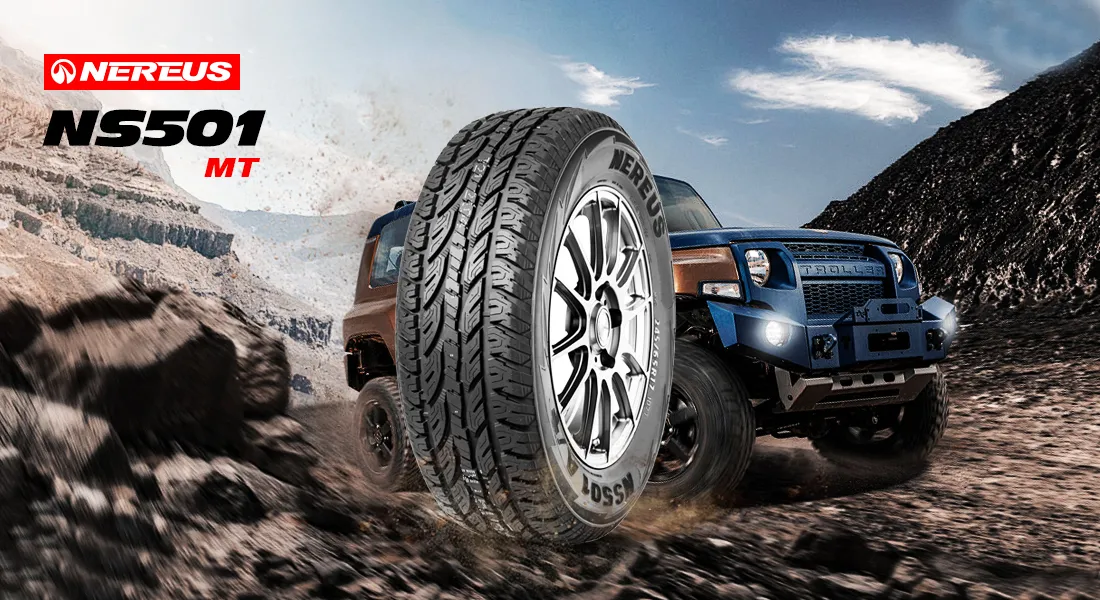
However, a common mistake is that owners install MT tires (or other mud terrain tyres like the NEREUS NS501) on crossovers or SUVs intended for "aesthetics," even if they only travel on light gravel roads and urban flooded areas. In this case, the owner not only has to accept all the disadvantages of mud terrain tyres (noise, vibration, increased fuel consumption) but also wastes their off-road advantages. High-quality AT tires are generally sufficient for paved forest and rural roads—there’s no need for the specialized design of mud terrain tyres, rough terrain tyres, or off road truck tyres here.
Another issue to consider is the performance of MT tires (and most mud terrain tyres) on asphalt, especially on wet surfaces. Like off road truck tyres and some rough terrain tyres, MT tires have poorer grip on paved roads and longer braking distances. This has been confirmed in tests and studies published in professional journals, including tests on models like the NEREUS NS501. Therefore, adjusting driving style is crucial: avoid sharp turns and brake earlier. This is not a disadvantage, but a characteristic of specialized off-road tires—whether they’re mud terrain tyres, rough terrain tyres, or off road truck tyres—that must be accepted.
Operation and Maintenance: How to Extend the Life of Off-Road Tires
Regularly checking tire pressure is crucial—for MT tires, other mud terrain tyres like the NEREUS NS501, rough terrain tyres, and off road truck tyres alike. When off-roading, tires are typically deflated (to 1.0-1.5 atmospheres) to increase contact patch. However, if forgotten to re-inflate, a tire (whether it’s a mud terrain tyre, rough terrain tyre, or off road truck tyre) can become unusable within a few thousand kilometers. Driving with low tire pressure on asphalt roads generates high temperatures on the tire sidewalls, leading to rapid tire damage.
Dynamic balancing is another crucial issue. Off-road tires—including mud terrain tyres like the NEREUS NS501, rough terrain tyres, and off road truck tyres—are more difficult to balance due to their wider tread and often uneven weight distribution. Professional balancing technicians use more balance weights and sometimes balancer gels. Even with proper balancing, don't be surprised if the tire still vibrates at high speeds (above 100 km/h)—this is normal for all specialized off-road tires, not just mud terrain tyres.
It is recommended that off-road tires—whether they’re mud terrain tyres, rough terrain tyres, off road truck tyres, or the NEREUS NS501—be rotated more frequently than road tires, every 8,000-10,000 kilometers. Off-road driving involves unique loads (such as slippage and sideslip), resulting in more uneven tire wear. Regular tire rotation helps even out wear and ultimately extends tire life, regardless of whether it’s a mud terrain tyre, rough terrain tyre, or off road truck tyre. Many experienced off-road drivers keep track of the mileage of each tire, including those on models like the NEREUS NS501.
Market and Brands: How to Choose the Right Tires
The MT tire market—part of the broader mud terrain tyres category—can be broadly divided into three tiers: high-end brands (such as BFGoodrich, Goodyear, Toyo, and Nitto), strong mid-range brands (such as Cooper, Hankook, and Kumho), and moderately priced but generally high-quality Asian brands. This tiered structure also applies to rough terrain tyres and off road truck tyres. The differences between brands lie not only in price (which can vary by two to three times), but also in details such as tire compound, tire carcass uniformity, and noise levels—factors that impact mud terrain tyres, rough terrain tyres, and off road truck tyres equally.
When choosing tires—whether mud terrain tyres like the NEREUS NS501, rough terrain tyres, or off road truck tyres—in addition to referring to online reviews, independent test reports should also be consulted. For example, some well-known brands may perform exceptionally well on muddy roads but pose safety hazards on wet roads, while others strive for a balance between off-road capability and on-road safety. Clearly defining your own needs is crucial: if you need mud performance, prioritize mud terrain tyres like the NEREUS NS501; if you tackle rocks, choose rough terrain tyres; if you haul loads, opt for off road truck tyres. Companies with a long history and independent R&D capabilities, such as QINGDAO DITRIP TYRE CO.,LTD (established in 2012), often offer tires with a balanced performance and price—including mud terrain tyres, rough terrain tyres, and off road truck tyres—either under their own brand or as official distributors.
Don't blindly pursue the largest size. Installing tires much larger than the standard diameter—whether they’re mud terrain tyres, rough terrain tyres, off road truck tyres, or the NEREUS NS501—requires significant modifications to the suspension system (such as raising the chassis and reinforcing components), reprogramming the speedometer, and often reduces handling performance. It's best to choose the appropriate size from the product catalog (e.g., the correct size for the NEREUS NS501) to minimize impact on vehicle geometry and avoid wheel arch rubbing. Remember, a correctly selected standard MT tire (or mud terrain tyre, rough terrain tyre, or off road truck tyre) will perform better than a poorly chosen 35-inch mud tire.
Conclusion
Choosing MT tires— or other specialized off-road tires like mud terrain tyres (such as the NEREUS NS501), rough terrain tyres, and off road truck tyres—for your SUV is a well-thought-out decision designed to give your vehicle specific performance characteristics. MT tires, mud terrain tyres, rough terrain tyres, and off road truck tyres are all tools designed for specific tasks, and you need to understand their strengths and limitations. The key is to honestly assess your route: if most of the road is paved, you can consider using high-grip all-terrain tires. But if your destination is very remote, and even the best roads have reached their end, then mud tires—like the NEREUS NS501—or other specialized off-road tires will be your loyal companions and reliable helpers in overcoming obstacles.
If you have any questions about choosing a specific model (such as the NEREUS NS501) or tire performance—whether for mud terrain tyres, rough terrain tyres, or off road truck tyres—please leave a message below or visit our website for tire selection and specifications. We have detailed the characteristics of each tire, including popular mud terrain tyres like the NEREUS NS501, based on years of experience.
| Phone : | +86-532-85861980 |
|---|---|
| Fax : | +86-532-85861980 |
| Email : | info@ditriptyre.com |