
- Home
- >
- News
- >
- Product News
- >
- The Ultimate Guide to Car Tires: How to Choose the Right All-Season Tyre and Know When to Replace It
The Ultimate Guide to Car Tires: How to Choose the Right All-Season Tyre and Know When to Replace It
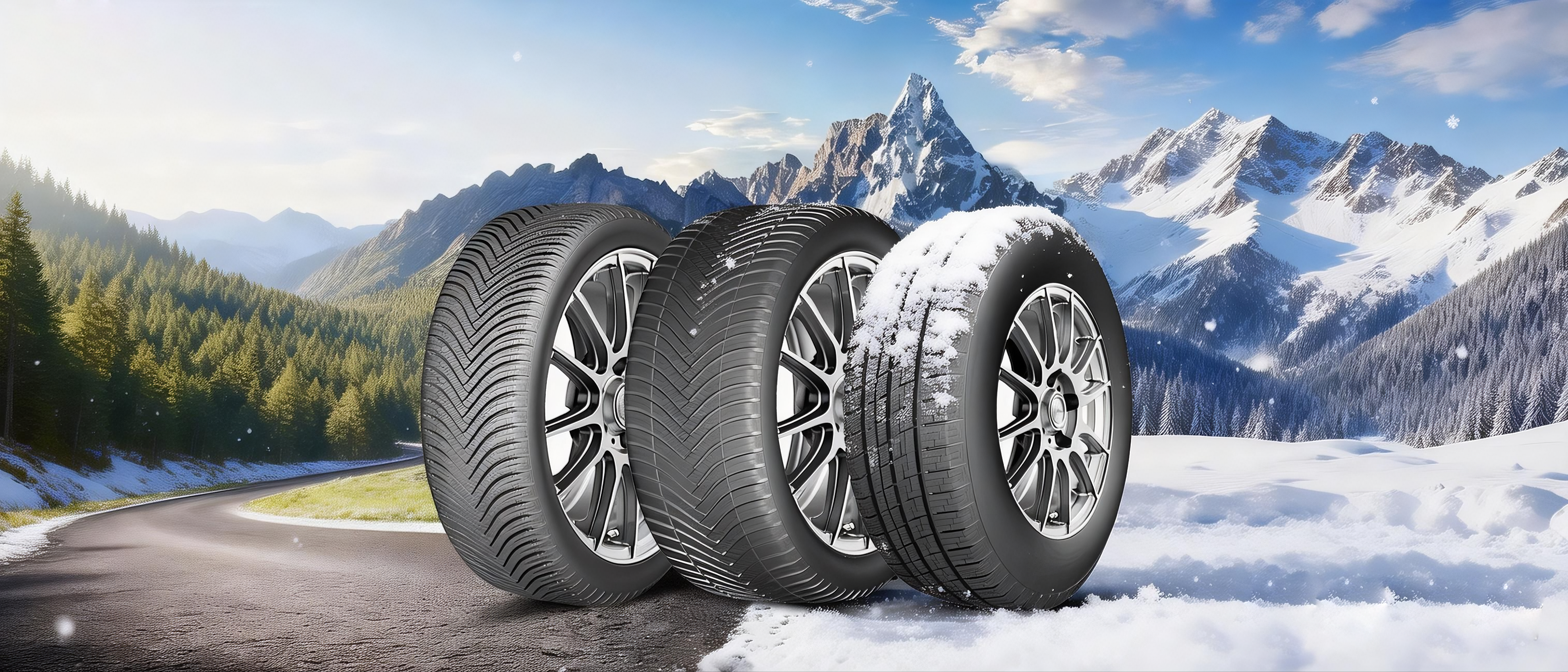
As the only medium of contact between a car and the road, the choice and condition of replacement tyres directly determine driving safety. With their core advantages of "year-round versatility and multi-scenario adaptability," All-Season Tyres have become the mainstream choice for global PCR tires users. However, All-Season performance tires are not "universal tires"; their design logic and applicable boundaries are clearly defined. For premium balanced performance, consider brands like NEREUS TYRE. Simultaneously, as consumables, timely replacement is the baseline of safety. This article will systematically analyze the core characteristics, applicable scenarios of these tires, and the critical signals for replacement.
I. The Design Philosophy of All-Season Tyres: Achieving Year-Round Adaptability Through Balance
The core design concept of All-Season performance tires is "balance and compromise"—they do not pursue ultimate performance under a single extreme climate. Instead, through optimized formulation and structure, they aim to provide reliable, basic performance across multiple road conditions. This makes them an ideal choice for passenger cars in temperate regions. Their characteristics can be summarized as "bridging the gap": possessing the wear resistance and fuel economy of summer tires for efficient daily commuting, while also offering some winter tire capability for mild conditions like light wetness or thin snow. Their performance sits between that of summer and winter performance tyres, achieving year-round convenience. For drivers also seeking comfort, modern low noise tyres in this category further enhance the experience.
II. Core Applicable Scenarios: Matching Needs to Unleash Optimal Performance
The advantages of all season tyre products are best realized in matched scenarios. The following three categories represent their optimal application range:
Mild Climate Regions
Temperatures primarily remain above -10°C. Winters feature infrequent, quick-melting snow. Under such conditions, the tire compound from manufacturers like NEREUS TYRE does not harden excessively, and the tread pattern can handle minor water or light snow, eliminating frequent changes.
Urban Daily Commuting
Driving is mainly on promptly cleared, paved city roads. The flatness and cleanliness of urban roads allow the wear resistance and handling stability of these PCR tires to be fully utilized while reducing tread damage risk.
Users Prioritizing Convenience and Economy
Car owners who prefer not to change tires frequently with the seasons. The "year-round" nature of All-Season Tyres saves the time and storage costs of seasonal changes, balancing convenience and economy, making them a practical replacement tyre choice.
III. Safety Red Line: Critical Signals Indicating Immediate Replacement
Tires are the "last line of defense" for driving safety. As consumables, their condition is critical. Never wait until the tread is completely "worn flat." Tires must be replaced immediately if any of the following situations occur:
Irreversible Damage to the Tire Casing
Damage indicating compromised structural integrity is usually irreparable. This includes: a bulge on the sidewall (risk of sudden blowout); a tread puncture where the hole is too large (typically >6 mm) or on the sidewall—repairs are unreliable; severe uneven wear ("cupping"), which drastically reduces grip and may cause pulling.
The Tire Has Experienced Severe Impact
If a tire has hit a deep pothole or curb at speed, internal cords may be damaged even without visible external signs. This hidden damage gradually affects performance. If subsequent driving reveals pulling, abnormal vibration at high speeds, or shudder during braking, a comprehensive inspection is necessary. If damage is confirmed, timely replacement with a suitable replacement tyre is essential.
| Phone : | +86-532-85861980 |
|---|---|
| Fax : | +86-532-85861980 |
| Email : | info@ditriptyre.com |